
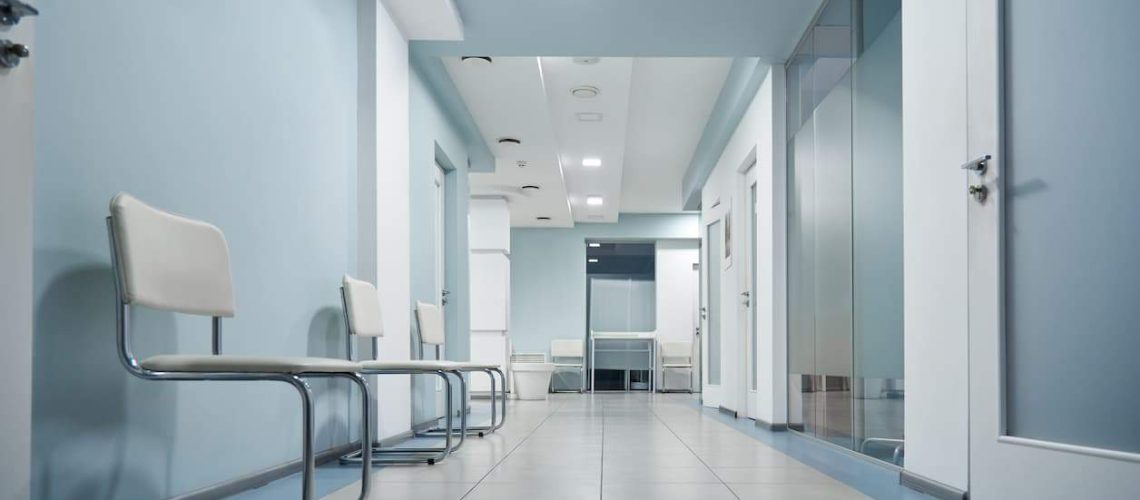

It is a given that medical facilities must be cleansed on a regular basis for hygienic purposes. Medical facilities can become breeding grounds for infections such as MRSA, which can prove fatal if contracted by patients; thus it is essential to maintain sanitary environments where infection-free care can be provided.
Medical facility cleaning is an essential step in maintaining the health of your patients and staff. By vacuuming carpets, polishing marble floors and scrubbing stainless steel surfaces frequently, you can create an environment free from pathogens that may cause illness or death.
What is a health care-associated infection (HAI)?
Health care-associated infections occur when microorganisms from the environment cause illness or injury in a patient. Though some HAIs are relatively innocuous, such as skin infections, others can lead to life-threatening conditions like sepsis, particularly when they occur within vulnerable populations such as elderly individuals who require both medical attention and additional hygiene procedures.
Your medical facility is your main health care provider. It’s where you receive all of your treatments and surgeries, whether it be for an acute issue or chronic condition.
Understanding and Managing HAIs
In the course of maintaining a sanitary environment, it is essential to have prevention strategies in place.
Though rare, healthcare-associated infections (HAIs) are a common occurrence that can arise when any type of bodily fluid seeps from inside your body and enters another location within the same facility or even outside the premises altogether.
Unsurprisingly, there are many different types of HAIs. However, their implications for patients are often just as profound as those experienced by individuals who contract them.
If left untreated, these infections can prove fatal if not treated immediately with antibiotics.
1. Factors that contribute to the risk of HAIs
The primary causes behind healthcare-associated infections involve negligence, improper care, and lack of proper infection control measures. In order to prevent them from taking place, it’s essential that all parties involved in patient care adhere to strict guidelines set forth by government organizations such as the Centers for Disease Control and Prevention (CDC), ensuring that all standards are met consistently across facilities, no matter their size!
For instance, if a physician doesn’t follow safe hand hygiene practices after touching a patient or using an instrument during surgery, then any subsequent physical contact between them and other patients will lead to the transmission of germs.
Additionally, any type of contact between patients and shared surfaces can potentially result in cross-contamination from bacteria on hands.
2. What are the signs and symptoms of an HAI?
HACs are common in healthcare facilities, yet the symptoms and signs can vary considerably. Some are more pronounced than others, and some may not appear at all!
Here are some indications that you could be dealing with an HAI:
Unusual odors, foul or unpleasant smells emanating from somewhere within your facility. If left unchecked, you might notice a musty odor coming from certain areas of the building, don’t overlook mold as a possible culprit. It’s also feasible for an outbreak of mildew or mold to manifest itself in one area only before finally spreading elsewhere within your abode. Careful examination should be performed to identify potential sources of such incidences; if you discover any then remediation efforts must be initiated immediately! Experiencing unusual bleach fumes within your midst could signal the presence of either a sewage-related problem or a spillage accident which necessitates immediate attention, while stench arising from spoiled foodstuff could indicate that rodents have infested your premises, their primary source of sustenance! Are there any odors emanating from restrooms or linen closets or even those coming from walls may signify discoloration, this could indicate that mold has appeared on surfaces where they weren’t previously apparent!
3. How can you prevent HAIs?
Stop playing Russian roulette with sterile equipment! For example, when using a central line, you should only do so under the supervision of a trained healthcare professional.
Don’t forget about all those other little tricks, too. For instance: cleaning up can help prevent some infections. Make sure your hands are clean before touching anything and remember to disinfect any surfaces that may harbour bacteria such as bathroom tiles and sink tops! And lastly, don’t forget to use hand sanitizer throughout the day!
4. How do you identify and control an HAI?
If you find yourself lacking an answer, consider a few factors. Are they appearing suddenly? Are they consistent across multiple patients? Is there evidence of bacteria within these incidents, if so then it’s possible an infection has occurred; and if that is the case, chances are it was caused by a healthcare-associated infection!
In order to provide a clearer picture of just how these infections manifest themselves, let’s examine some common manifestations:
Prolonged fever without any apparent cause can indicate an underlying bacterial infection. If left untreated such a condition could prove fatal if complications arise.
If your patient has experienced what appears to be pneumonia but has no signs or symptoms of respiratory distress, this may indicate the presence of a bronchitis infection as opposed to something more serious like pneumonia.
Again, medical professionals often observe patients exhibiting signs indicating either pneumonia or bronchitis – however with antibiotics in place these infectious agents shouldn’t pose any threat!
5. What is the best way to prevent HAIs?
Healthcare facilities are home to a bevy of germs, from bacteria and viruses to fungi. Contamination can occur in any nook and cranny – even on medical equipment such as syringes or catheters!
The best way to keep your facility free from HAIs is by keeping it hygienic. Regularly scrubbing floors, cleaning restrooms, sanitizing kitchenware and disposing of hazardous waste can all help prevent the spread of infection; however, these measures shouldn’t be viewed as an end-all solution. Ensuring that sanitation protocols are adhered to should always remain an essential component of any healthcare facility’s policy!
How does the right janitorial and maintenance services reduce the risk of HAIs?
A proper cleaning and maintenance routine goes a long way towards keeping your facility at optimal health. By addressing potential risks, such as bacteria and other pathogens that could cause infection, you can effectively prevent medical-negligent incidents from occurring in the first place!
Properly servicing your healthcare center’s custodial services is crucial to preventing HAIs and maximizing productivity. Regular attention ensures that all spaces are cleaned thoroughly, sanitized properly and that any potential hazards have been addressed systematically.
Not all janitorial needs require heavy machinery or complex tasks. Some of them involve little more than scouring and mopping. With these thorough approaches, it’s possible for facilities to keep their floors clean and sanitary with little effort on their part!
It’s not just about looking good; it’s about caring for your patients and your employees.
In order to ensure that your medical facilities remain in pristine condition, it is essential that cleaning services be utilized on a regular basis. Why? For starters, scrubs and sanitizers help prevent the spread of germs!
Ensuring that the premises are kept spick-and-span ensures that patients will have a pleasant experience when visiting; from the moment they enter until their departure. This is especially imperative when taking care of patients related to communicable diseases such as HIV or those requiring isolation due to an illness. Keeping wards clean and decontaminating spaces following any outbreak can be quite tricky if not done effectively. It’s essential to hire professionals who could provide quality services like vacuuming floors, removing stains and tidying up carpets while sanitizing surfaces with disinfectants.