
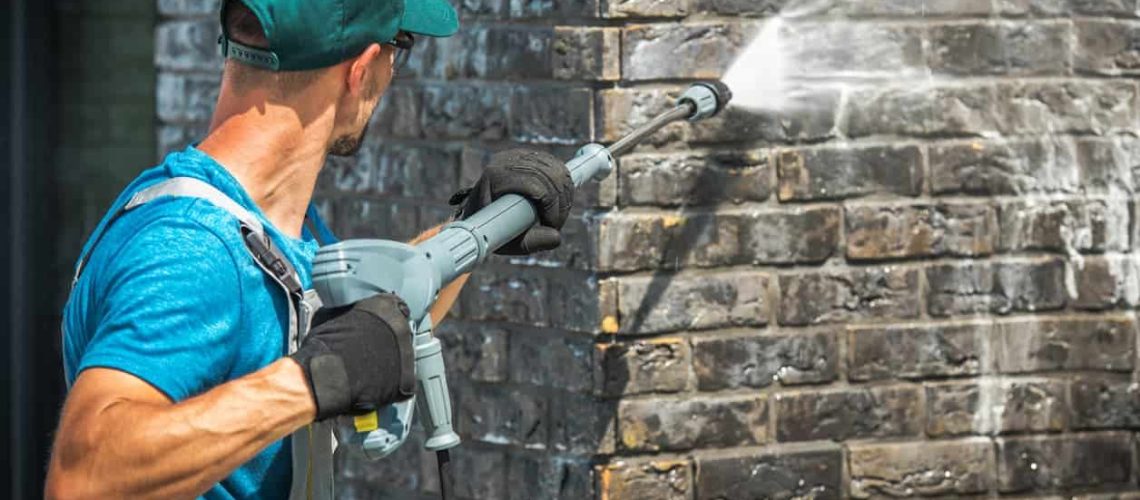

Pressure washing and power washing are two distinct methods of cleaning surfaces in and around your home. Both use a high-pressure water spray to remove dirt, mold, algae, grime, dust, mud, and other unwanted substances from different surfaces and objects.
The key difference between pressure washing and power washing lies in the temperature of the water used. Pressure washers use ordinary, ambient-temperature water propelled at high velocity to clean surfaces. On the other hand, power washers have a heating element that raises the temperature of the water, creating a steamy effect. This warm water is particularly effective in breaking down greasy or oily spots, as well as killing mold and weeds.
Surface Suitability and Potential Risks
Now, let’s dive into the types of surfaces suitable for each method and the potential risks involved. Pressure washing is typically suitable for all kinds of surfaces, including concrete, brick, wood, and vinyl. It’s perfect for removing loose paint, mold, grime, dust, and dirt from houses, driveways, and decks.
Power washing, with its heated water, is best for more stubborn stains or substances like grease or salt and is ideal for harder surfaces like patios, driveways, and sidewalks. However, it should be used cautiously and professionally on softer materials to avoid damage.
As for risks, both methods could potentially inflict surface damage if misused. The high pressure can be too much for some surfaces, causing chips or cracks. Additionally, power washing risks potential burns from the hot water, so it should be handled with care.
Benefits, Drawbacks, and When to Use Which Method
Understanding the benefits and drawbacks of each method will help you to determine when one might be preferred over the other. The main advantage of pressure washing is its versatility—it can be safely used on most surfaces. However, its chief limitation is that it may not fully eliminate tough stains or grease.
Comparatively, power washing is excellent for removing stubborn stains thanks to the hot water but this also makes it less suitable for delicate surfaces.
For instance, if you’re looking to clean your wooden deck of loose dirt and mildew, a pressure washer would likely be the recommended choice. Conversely, if your concrete driveway is tarnished by oil stains, a power washer’s heated water will provide a stronger cleaning solution.
Suitable Surfaces for Pressure Washing
Pressure washing is well suited for surfaces like concrete driveways, brick walls, sidewalks, and patios. For example, if your concrete driveway has a layer of dirt accumulated over time, pressure washing can effectively cleanse it. It’s also great for removing loose paint, mold, grime, dust, and dirt from the exterior of buildings. Be careful when pressure washing softer materials, as the high pressure can cause damage.
Suitable Surfaces for Power Washing
Power washing, due to its heat element, can tackle more robust and stubborn dirt or grime that pressure washing may not effectively remove. This makes it ideal for surfaces with stuck-on gum, grease, and oil stains, such as commercial driveways or garage floors. Furthermore, because of the heat, power washing is effective for eliminating weeds and moss, making it a top choice for patios or decks.
Although powerful, this method can be damaging to delicate surfaces like wooden decks or shingles, and should be used cautiously. It’s always best to trial a small, hidden area first to ensure no damage will occur.
Choosing Between Pressure Washing and Power Washing
The decision between pressure washing and power washing should be based on your specific cleaning needs. For regular, gentle cleaning tasks around your residential property like the removal of dirt from fences, decks, or siding – pressure washing is usually sufficient. If you’re dealing with more stubborn dirt like grease, moss, or gum, or large commercial spaces, power washing would be more effective.
Always keep in mind the type of material and the toughness of the grime you’re dealing with before choosing your method. More importantly, ensure your safety by using proper protective gear, and don’t hesitate to call a professional if the task seems too daunting or risky.