

Identifying Various Window Stains
Before you start the cleaning process, it is crucial to understand the kind of stain your window has. Common types can include hard water stains, silicone residue, paint splatters, and more. Hard water stains arise from the minerals in the water, leaving a white or cloudy residue. Silicone stains often come from sealants, adhesives or greases and will leave a translucent smear on the glass. Paint splatters happen during renovation or painting activities and are typically visible as droplets or smears of color.
Tackling Different Types of Stains
The approach to cleaning stains varies based on their nature. For hard water stains, a mixture of vinegar and water can be highly effective. Simply spray it on the stained area, let it sit for a few minutes, and then scrub with a non-abrasive brush. In contrast, silicone residue requires a more specialized approach. You can remove it by gently scraping with a razor blade, but be careful to avoid scratching the glass. As for paint splatters, a commercial paint-remover should suffice. Always remember to follow the product’s instructions carefully to ensure best results and safety.
Handling Window Scratches
Scratches on windows can occur due to various reasons such as harsh cleaning tools, impacts, or even pets. While shallow scratches can often be remedied at home using retail scratch-removal products or a toothpaste and baking soda mixture, deep scratches may require professional attention. When dealing with scratches, it is important to clean the area thoroughly before commencing, and always use gentle pressure to avoid causing further damage. Spray the area with a bit of water and use a clean cloth to apply the remover, working in a circular motion. If the scratch remains after several attempts, it may be time to call in a professional.
By understanding these common window stains and scratches, and how to tackle them, you’re well-equipped to maintain the clarity and longevity of your windows. Remember, regular maintenance is key to prevent the build up of stubborn stains and scratches.
Essential Tools and Materials Needed for Window Cleaning
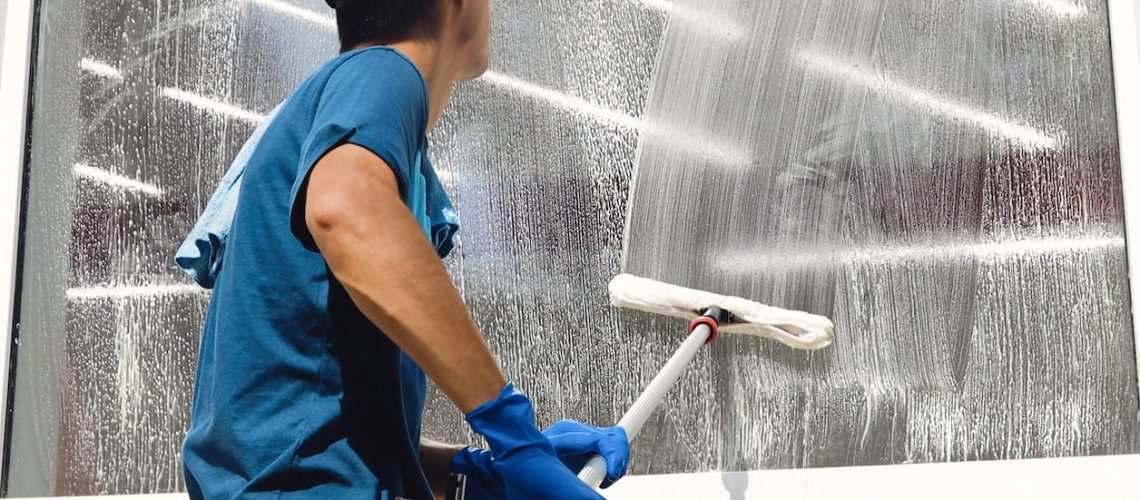
To accomplish the task of effectively removing stains and scratches from windows, there are a few essential tools you’ll need. First on the list is a good quality squeegee. This tool is vital for scraping off stubborn dirt and grime without leaving any streaks behind. It also enables you to evenly distribute your cleaning solution across the window. Next, you’ll need high-quality scrubber or sponge for applying your cleaner and working out stubborn stains. A scraper is useful for gently removing stuck substances and a microfiber cloth will come in handy for drying and polishing.
Window Cleaning Solution
A window cleaning solution is another key ingredient for this task. Commercial cleaning solutions that are specifically formulated for glass windows are readily available in the market. However, if you prefer a more natural alternative, a DIY solution can be made using white vinegar and water. The vinegar’s acidity helps break down grime and dirt, making it easier to wipe them off.
Materials for Scratch Removal
For dealing with scratches on your windows, a glass repair kit would be the most effective. These kits often include a glass-polishing compound and a buffing pad to gradually smooth out scratches. For smaller, superficial scratches, non-gel toothpaste or baking soda mixed with water can serve as a temporary solution. Just remember that deep scratches may require professional help to avoid further damage to your windows.
Safety Equipment
When cleaning windows, especially those that are high up, safety is crucial. Therefore, you’ll need a sturdy and secure ladder or step stool. Handheld gloves should also be worn to protect your hands from chemicals and sharp glass edges. Safety glasses should be used to protect your eyes from any splashes of cleaning solution, and if you’re allergic to dust or certain cleaning products, wearing a mask could be beneficial.
Mitigating External Factors
Lastly, protecting windows from the elements can reduce the risk of staining and scratching. During stormy weather, flying debris can cause damage, so ensure trees and shrubs near your windows are well-trimmed.
In snowy or icy conditions, ice can freeze onto the glazing, creating stains or cracks when removed forcefully. To prevent this, use a soft brush to gently brush off excess snow, and de-ice using warm (not hot) water.
Taking proactive measures can help extend the life and clarity of your windows, ensuring they stay sparkling clean and scratch-free for years to come.